

Biostealth technology for biologic medical devices, replacing current cross-linking methods and fixatives
Firmo® is developed for biologic medical devices and replaces conventional fixation methods.
Built to crosslink biologic tissues without aldehyde- or epoxy resin-based fixation, Firmo is engineered to inhibit immune-related responses. As a result, this reduces calcification, inflammation, thrombosis, infection, and tissue degeneration over time.
Firmo is designed to support long-term tissue durability and reliability across biologic medical applications, eliminating the cytotoxic effects of current sterilization and fixation methods.
Plant-based ingredients
Applications
Cardiovascular devices
- Percutaneous valves
- Surgical valves
- Biologic tissue patches
Orthopedic implants
- Tendons and ligaments
- Bones
- Biomaterials (matrices, fibers)
Endovascular applications
- Vascular patches
- Dialysis fistulae
- Others
Women’s health
- Vaginal reconstruction
- Breast reconstruction
Neurology
- Intervertebral discs
- Dura mater
- Bioartificial nerves
- Others
Biologic dental implants
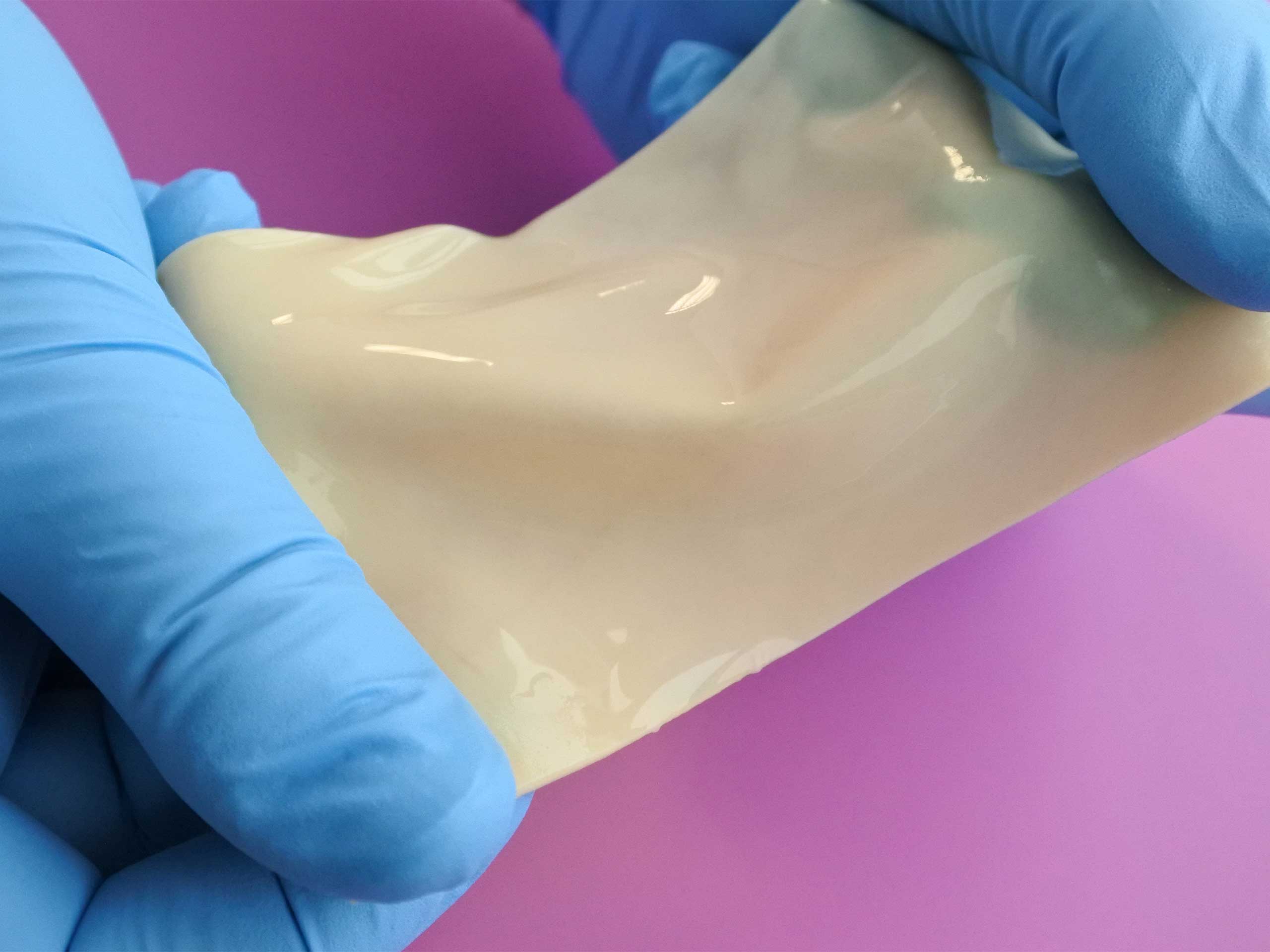
Benefits of Firmo
- Aldehyde-free bioprosthetic tissue, no need to wash before use
- Inhibits immune system response (>log 5)
- Inhibits biofouling formation (>log 4)
- Limits calcium deposition (>log 3)
- Reduces bacterial contamination (>log 5)
- Mitigates blood clot formation
- No leaching, no delamination, no chemical degradation
- No toxic effects for patients
- Detoxification from aldehydic, epoxy, and other industrial chemical treatment residues
- Unaltered biomechanical properties compared with glutaraldehyde fixation
How Firmo Works
Replacing aldehyde-based fixatives, Firmo is designed to avoid cytotoxic effects and calcium salt buildup. By clearing residual cells and debris, it prevents inflammation and tissue damage while supporting long-term tissue stability.
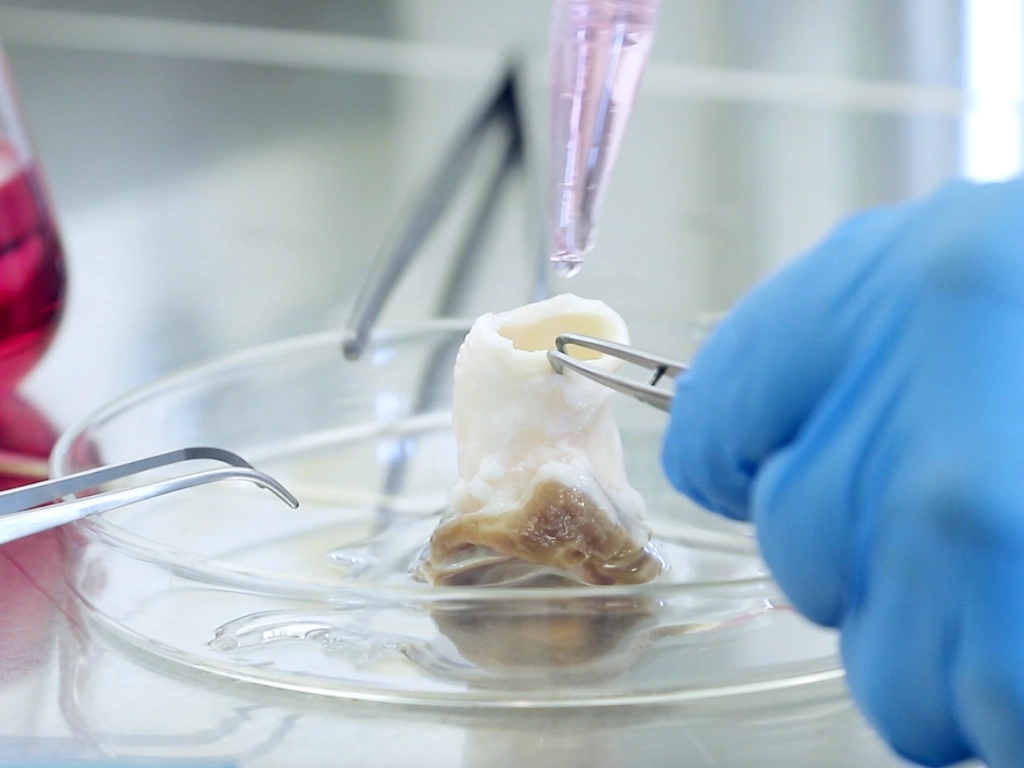
Protecting bioprosthetic tissue from proteolytic degradation with no cytotoxic effects
Firmo's Key Advantages
1.
Forms stable, long-lasting 3D bonds without depolymerization
2.
Protects devices from bacterial adhesion, thrombosis, and calcium precipitation
3.
Neutralizes xenogeneic epitopes and ensures proper mechanical resistance
4.
Promotes endothelialization to accelerate post-implant integration